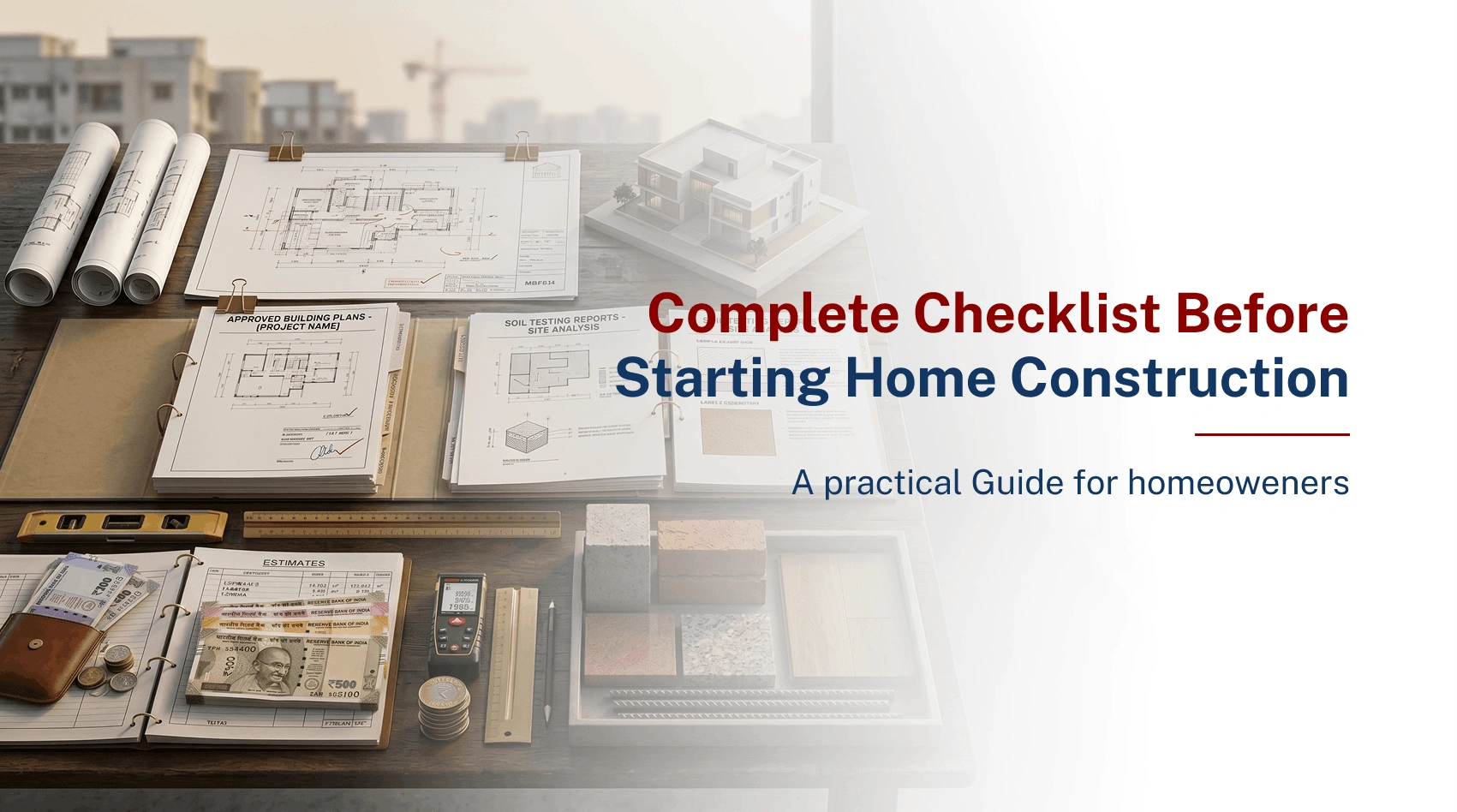
Starting a new home is exciting, but it also comes with many decisions, expenses, and risks. A complete checklist before starting home construction helps you plan better, avoid delays, control costs, and build with confidence.
Whether you are a homeowner, plot owner, first-time home builder, or property investor, the right preparation can save time and money. Many construction problems happen not because of poor execution alone, but because of weak planning at the beginning. A strong foundation starts long before the first brick is laid
1. Check Your Plot and Site Conditions
Before starting construction, confirm that your plot is ready for building.
What to verify
- Legal ownership documents
- Approved land use for residential construction
- Clear boundary markings
- Soil condition and level of the plot
- Road access for labour and material delivery
- Water and electricity availability nearby
A plot with poor soil, drainage issues, or unclear boundaries can lead to extra expenses later. For example, if the land needs filling or leveling, that cost should be planned in advance.
2. Confirm Legal Approvals and Permissions
One of the most important steps in the home construction checklist is getting all approvals before work starts.
Common approvals may include
- Building plan approval
- Local authority permissions
- Water and drainage approvals
- Setback and floor-area compliance
- Other municipal or development body clearances
Skipping approvals can cause work stoppage, penalties, or even demolition risk. A reliable construction partner will help you understand these requirements clearly.
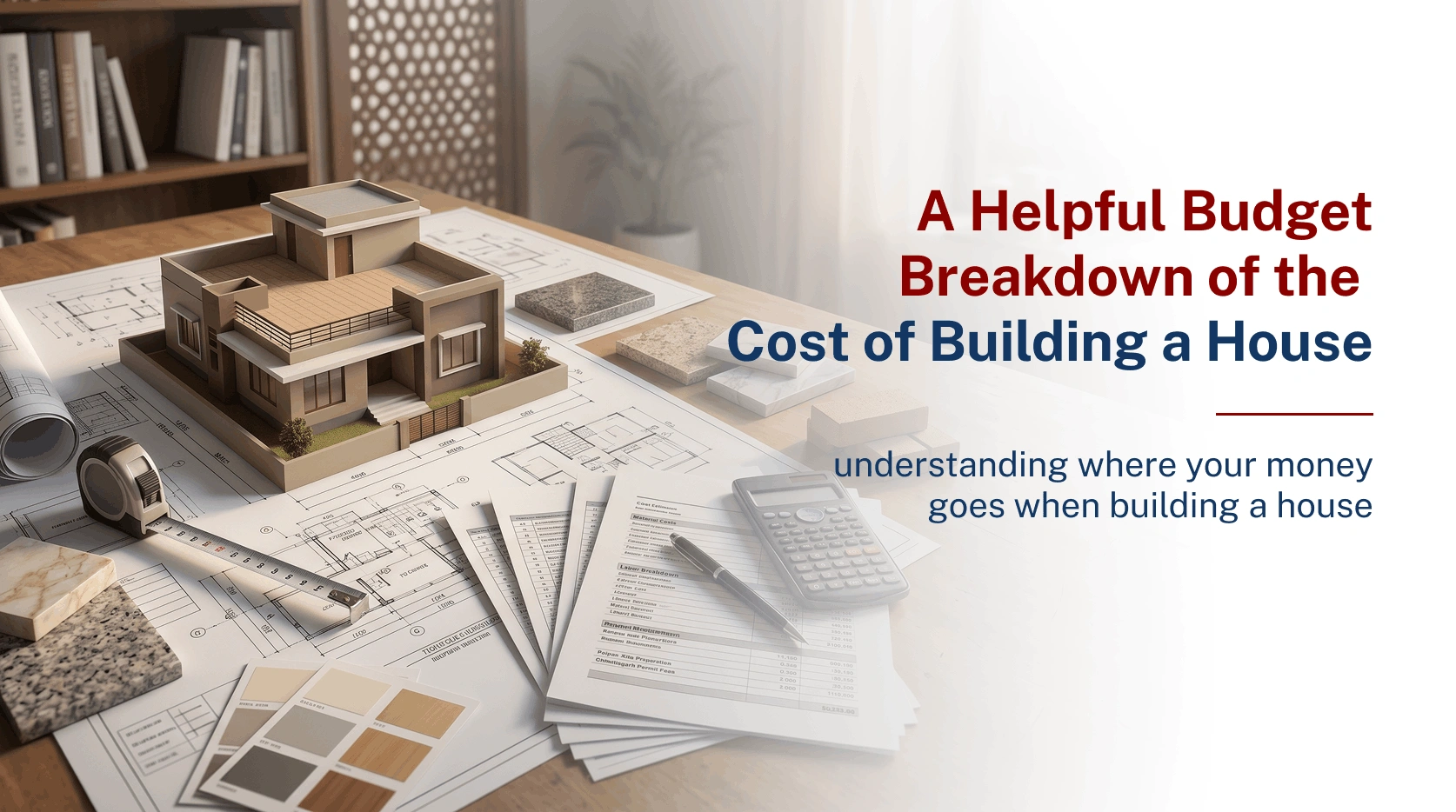
3. Finalize Your Budget
Budget planning is one of the biggest concerns for families and investors. A detailed budget reduces surprise costs during construction.
Budget categories to include
- Design and architectural fees
- Approval and legal charges
- Foundation and structure cost
- Material cost
- Labour cost
- Plumbing, electrical, and finishing work
- Interior works
- Contingency amount for unexpected expenses
A good rule is to keep a buffer of 10% to 15% for unforeseen changes. Prices of cement, steel, tiles, and fittings may change during the project, so transparent pricing is essential from the start.
4. Decide on Design and Space Requirements
Your home should match your family’s present and future needs.
Questions to ask before finalizing the plan
- How many bedrooms do you need?
- Do you want a pooja room, study, utility space, or parking?
- Will your family grow in the future?
- Do you prefer open layouts or separate rooms?
- Do you need space for rental income or future expansion?
A first-time home builder may focus only on today’s needs, but a smart plan should also support long-term comfort and resale value.
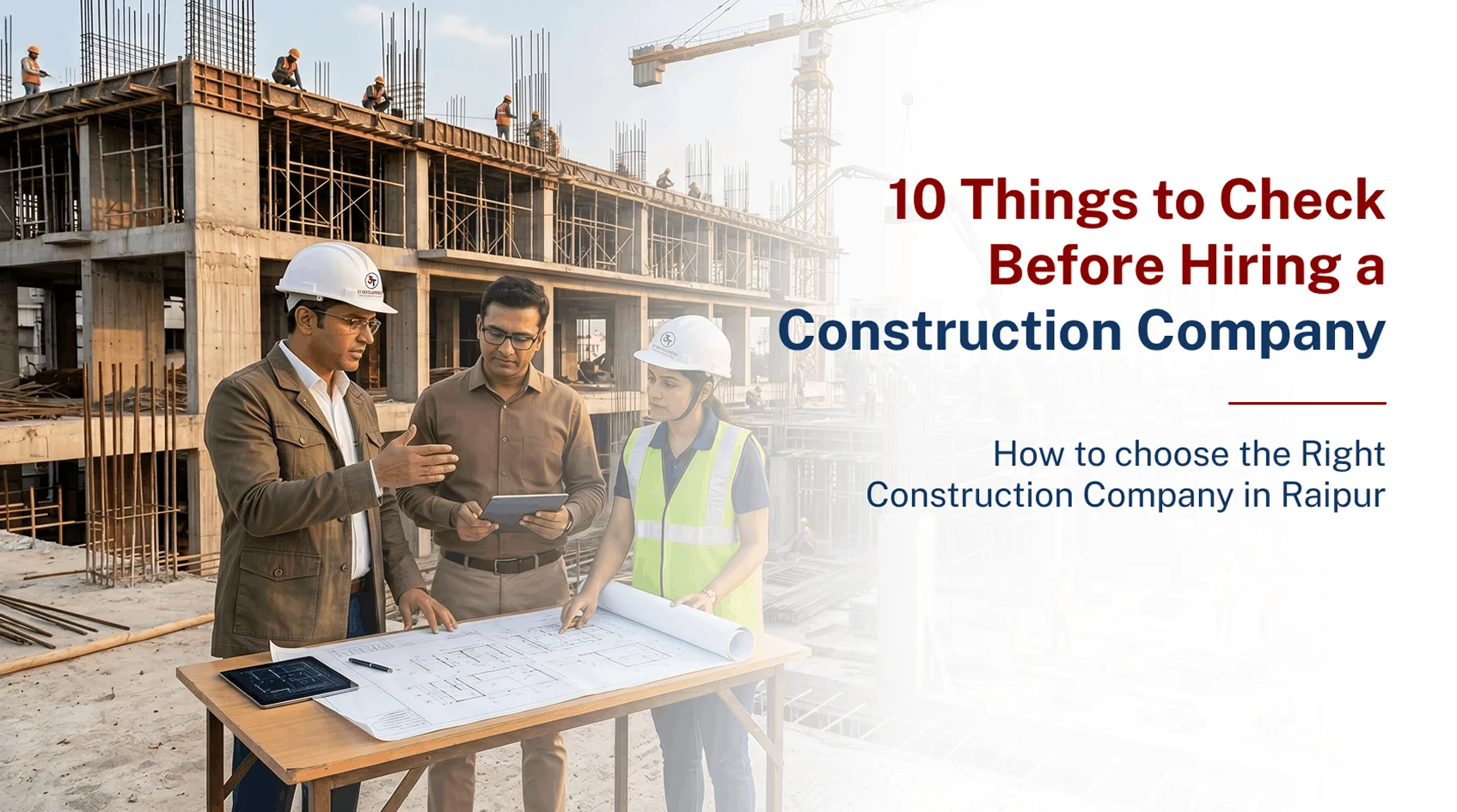
5. Choose the Right Construction Partner
The contractor or construction company you choose will have a direct impact on quality, cost, and timeline.
Look for these qualities
- Experience in residential construction
- Clear written estimates
- Good project management system
- Quality control at every stage
- Timely delivery record
- Transparent communication
- Local knowledge of approvals and materials
A company that explains the process clearly and shares stage-wise milestones is usually easier to trust. This is especially important for property investors and busy families who need progress updates.
6. Understand Material Quality and Specifications
Many homeowners compare only the total price, but material quality matters just as much.
Check specifications for
- Cement and steel grade
- Brick or block type
- Sand quality
- Flooring materials
- Waterproofing products
- Electrical wires and plumbing pipes
- Paint and finishing materials
Low-quality materials may reduce the initial cost, but they often increase repair costs later. Quality construction is not just about looking good on day one; it should last for years.
7. Plan the Construction Timeline
A practical timeline helps you track progress and avoid frustration.
Timeline should include
- Site preparation
- Foundation work
- Structure completion
- Masonry and plastering
- Electrical and plumbing
- Flooring and painting
- Final finishing and handover
Weather, labour availability, and approval delays can affect the schedule. A realistic timeline is better than an unrealistic promise. Timely delivery matters, but so does proper workmanship.
8. Prepare for Site Management and Safety
Construction sites need proper control, especially when families or investors are monitoring the work closely.
Site management should cover
- Material storage
- Labour safety
- Waste disposal
- Daily supervision
- Quality checks at each stage
- Security of tools and materials
Well-managed sites reduce mistakes, theft, and rework. This is a key part of professional project management.
Practical Tips
- Always compare multiple estimates before finalising a contractor.
- Ask for a written scope of work to avoid hidden charges.
- Visit the site regularly or assign a trusted supervisor.
- Keep all approvals, drawings, and bills in one file.
- Spend carefully on structural items; they are harder to change later.
- Discuss changes early to avoid cost overruns.
Common Mistakes to Avoid
- Starting construction without full approvals
- Selecting a contractor only because of the lowest price
- Not fixing the design before work begins
- Ignoring soil testing or site condition checks
- Changing plans frequently after construction starts
- Not keeping a contingency budget
- Overlooking quality in plumbing, wiring, and waterproofing
These mistakes may seem small initially, but they often lead to delays, extra spending, and disputes.
Expert Insights
Experienced builders know that successful residential construction depends on three things: planning, quality, and control. A detailed complete checklist before starting home construction helps you balance all three.
From our experience, the best projects always begin with clear drawings, transparent pricing, stage-wise monitoring, and regular communication. Homeowners feel more confident when they know what is happening, what it costs, and when each stage will finish.
Conclusion
Starting a house is a major investment, and the right preparation makes all the difference. This complete checklist before starting home construction will help you check the plot, confirm approvals, fix your budget, finalize the design, and choose the right construction partner.
When planning is done properly, construction becomes smoother, faster, and more cost-effective. For homeowners and families, that means peace of mind. For investors, it means better value and fewer risks.
FAQs
1. What is the first step before starting home construction ?
The first step is checking the plot documents, land condition, and building approval requirements.
2. How much budget should I keep for unexpected costs ?
Keep at least 10% to 15% extra as a contingency budget.
3. Do I need soil testing before construction ?
Yes, soil testing is highly recommended because it helps determine foundation requirements.
4. Why are approvals important before starting construction ?
Approvals ensure your construction follows legal rules and prevents future penalties or stoppage.
5. How do I choose a good construction company ?
Choose a company with experience, transparent pricing, proper project management, and a strong quality record.
6. Can I make changes after construction starts ?
Yes, but frequent changes can increase cost and delay the project, so it is better to finalize the plan early.
7. What should be included in a home construction agreement ?
It should include scope of work, materials, timeline, payment terms, and responsibility for delays or changes.
CTA
Planning to build your dream home ? Start with the right strategy, the right budget, and the right construction partner. Contact our team today for expert guidance, transparent pricing, and reliable residential construction support from planning to handover.